
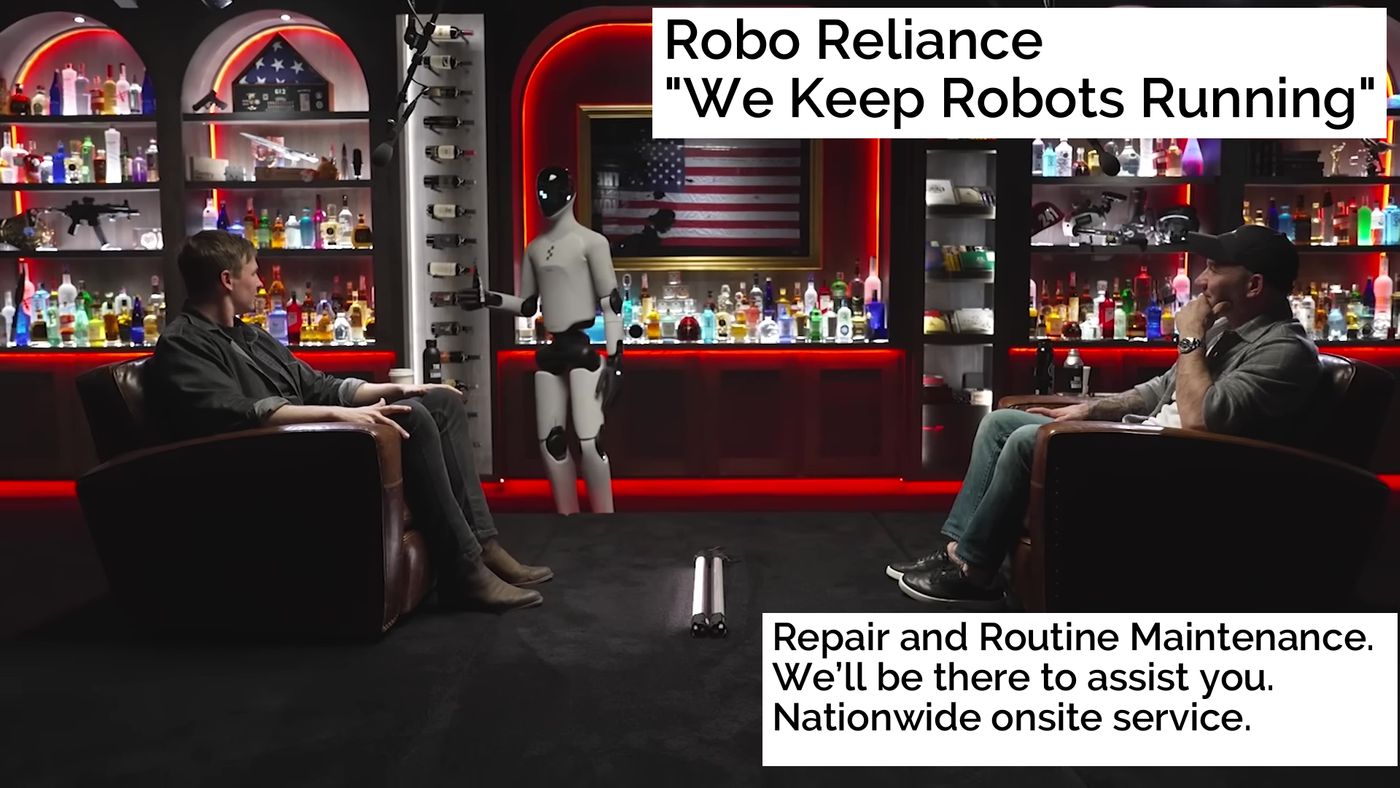
Figure AI just released a video that stopped a lot of people in their tracks. Their latest humanoid robot stands 5'6", weighs 130 pounds, can carry 40-pound boxes off the floor, and fold a t-shirt. None of that movement is hard-coded. It runs entirely through a neural network.
If you work in robotics, you watched that video and thought: we are closer than people realize.
If you work in field service, you watched that video and thought: that thing is going to need a lot of maintenance.
The engineering is real. So is the complexity.
Think about what it takes to make a machine like that function. Not in a lab demo. In a commercial kitchen, a warehouse, a retail floor. Day after day, shift after shift.
A traditional industrial robot arm is bolted to a table. It has six joints. It operates in a controlled environment. Maintenance is scheduled and predictable.
A humanoid is an entirely different problem. It has legs, which means it walks. It walks, which means it falls. It has balance sensors, articulated hands, a large battery pack, and a full sensory system processing the environment in real time. Every component introduces a new failure mode. The more complex the machine, the more it breaks.
From a maintenance perspective, a humanoid robot is exponentially harder to service than anything the robotics industry has deployed before.
The market is moving faster than the infrastructure.
Goldman Sachs projects the humanoid robot market could reach $38 billion by 2035. BMW is already running pilot programs. Amazon is testing humanoids in fulfillment centers. The commercial wave is not a future hypothesis. It is starting now.
The companies building these machines have one job: build great robots. They are not building national service organizations. They do not want to manage thousands of technicians across the country. They want to ship product and focus on the next generation of hardware.
That leaves a serious gap. When a humanoid robot goes down in a commercial kitchen in Phoenix or a warehouse in Columbus, who shows up to fix it?
The service layer has to be built now.
This is the problem Robo Reliance was built to solve.
We are the first third-party field service company purpose-built for commercial and emerging robotics. We provide installation, maintenance, and repair through a nationwide network of certified 1099 technicians. We are OEM-agnostic. We handle the robots that are deployed today and we are building the infrastructure for the ones coming next.
Our anchor client is Chef Robotics, one of the leading AI-powered food preparation robot companies in the country. We handle their field service operations across multiple locations nationwide. That relationship validated the model: OEMs want to outsource this, the technician network works, and the demand is urgent.
We are building the training curriculums, the dispatch infrastructure, and the technician certification programs now. Before the volume hits. When Figure ships 10,000 humanoid robots, or Tesla starts scaling Optimus, the service infrastructure needs to already exist.
The plumbing of the robotics age.
Nobody talks about plumbers at CES. But civilization does not work without them.
The robotics industry is going to produce some of the most remarkable machines in human history. Those machines are going to deploy at scale into restaurants, warehouses, hospitals, and homes. Every single one of them will eventually need maintenance, calibration, a software update, or a replacement part.
Entropy is not a future problem. It is a physics problem. Things break. The more complex the machine, the more it breaks.
We keep robots running.
If you are deploying commercial robots and need a field service partner, or if you are an OEM looking to offload service operations, reach out.
roboreliance.com